

March 30, 2026
Tooth replacement is sometimes necessary for your oral health. Teeth that are missing or can’t be saved should be replaced to prevent the remaining teeth from shifting and to preserve the jawbone.
There are two main options for replacing teeth: dental bridges and dental implants. Both provide a viable solution to missing teeth, but they are not the same. In this article we will outline the key differences to help you determine which treatment option is best for you.
Why Replacing Missing Teeth Matters for Your Oral Health
When a missing tooth is left untreated, a variety of problems can occur.
- Shifting teeth. In the absence of one or more teeth, the remaining teeth may shift out of place, resulting in gaps and general misalignment.
- Bone loss in the jaw. Without stimulation from the tooth root, the jawbone will weaken and gradually dissolve away, affecting facial appearance and leaving the remaining teeth with less support.
- Bite alignment issues. Shifting teeth can lead to bite misalignment, which can cause premature wear and damage to the teeth and conditions such as TMJ disorder.
- Potential effects on speech and chewing. Missing teeth can affect articulation when speaking and hinder chewing capabilities.
Modern dentistry offers reliable replacement solutions. Dental implants and bridges can prevent all of the above when provided in a timely manner following tooth loss.
What Is a Dental Bridge?
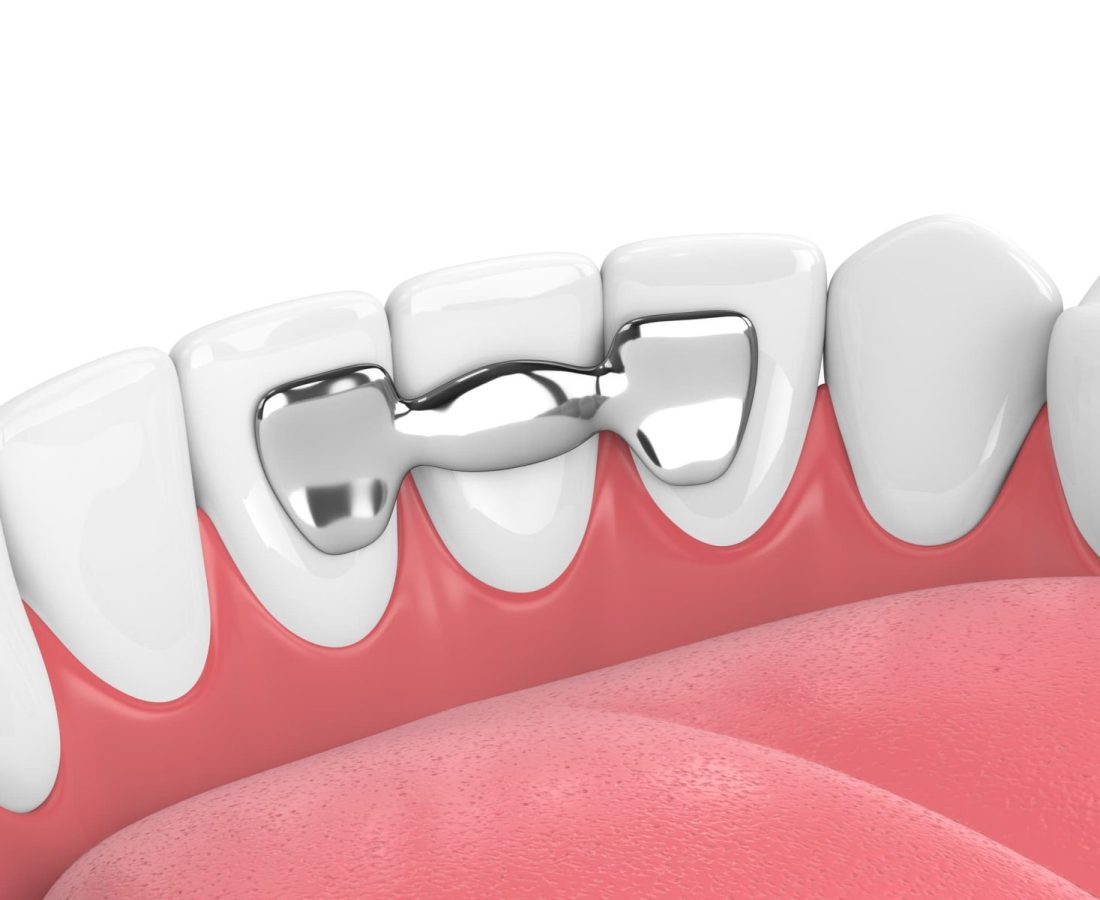
A dental bridge is capable of replacing one or a few missing teeth in a row. A traditional dental bridge consists of 2 crowns with a pontic (artificial tooth) fused between them. The crowns fit over the healthy teeth on each side of the missing tooth and the pontic bridges the gap. The support teeth are reduced in size to allow the crowns to fit over the top. The bridge is bonded to the teeth to provide solid support.
Other types of bridges include cantilever (uses one crown), Maryland (clasps onto existing teeth using a metal framework) and implant-supported (dental implants act as anchors).
What Is a Dental Implant?
A dental implant replaces both the root and the crown of a tooth. It consists of a titanium post that is surgically placed in the jawbone. It fuses with the bone to form a solid foundation of support for an artificial crown. Once the fusion is complete, the abutment and crown can be attached to complete the restoration.
A single implant can replace one tooth at a time. Multiple implants can support a bridge or dentures to replace multiple teeth.
Dental Bridge vs Implant: Key Differences to Consider
The main factors to consider when choosing your tooth replacement option include:
- Treatment timeline. The entire process for getting dental implants is much longer than it is for bridges. Dental implants can take 3-6 months or longer to complete your restoration. A bridge can be placed in a matter of 2-4 weeks in most cases.
- Longevity and durability. A dental bridge lasts an average of 10-15 years. Dental implants can last for 20-30 years, even a lifetime in many cases.
- Impact on surrounding teeth. The placement of a dental bridge requires the support teeth to be reduced in size, resulting in permanent loss of healthy enamel. Dental implants exist independently and have no impact on the surrounding teeth.
- Bone health and jaw support. Dental implants require sufficient bone density in the jaw for successful placement. They also prevent bone loss after placement. Bridges can be placed in cases where bone loss has occurred. However, further bone loss after placement is likely.
- Maintenance and oral hygiene. Single dental implants can be brushed and flossed just like your natural teeth. Bridges require special cleaning underneath to remove plaque that forms between the bridge and gums.
Factors That Help Determine the Right Option for You
A consultation is essential to determine the most appropriate solution. Your dentist will conduct a thorough evaluation before recommending treatment. Considerations such as bone density, number of missing teeth, overall oral health, and personal preferences are key factors in the decision process.
Restore Your Smile with Expert Dental Care
Both bridges and implants are effective tooth replacement solutions. But the decision for the best treatment option for you should be guided by a professional opinion. Call Waimea Dental Studio today at 808-885-8465 to schedule a consultation to explore the best treatment for your smile.
Frequently Asked Questions About Tooth Replacement Options
How long do dental bridges last?
Bridges often last 10 to 15 years with proper care and good oral hygiene. With excellent maintenance some bridges will last for 20 years or more.
Are dental implants better than bridges?
Dental implants are often longer lasting and preserve bone, but bridges can still be an excellent solution depending on the patient’s situation. Seek a professional opinion before making your decision.
Waimea Dental Studio provides personalized dental care designed to help patients maintain healthy, confident smiles. Our team focuses on advanced treatments and patient comfort to ensure every visit is a positive experience. Contact us today to learn more about your tooth replacement options and schedule a consultation.